
Jensen Motors Production Manager | Life & Times Of Douglas ‘Eric’ Lucas
Eric Lucas joined Jensen Motors in 1971 as Production Manager. Straight away he started making changes such as increasing Interceptor production, and undertaking all the initial work to get the Jensen-Healey line ready for large scale production.
Everything was looking rosy for Lucas, including an early promotion to Works Director. Then the Lotus engine escapade started, leading to a worsening relationship with Kjell Qvale, and Lucas finding himself forced into leaving the Company.
With help from Lucas’ son Martin, the Museum has pieced together the Life & Times of Douglas ‘Eric’ Lucas.
Jensen Motors Production Manager | Life & Times Of Douglas ‘Eric’ Lucas | Early Years
Douglas Eric Lucas was born in Coventry, on the 28th of May 1921, the middle of three sons, to Fred and Mary Lucas of 22 Woodshires Road, Longford, Coventry.
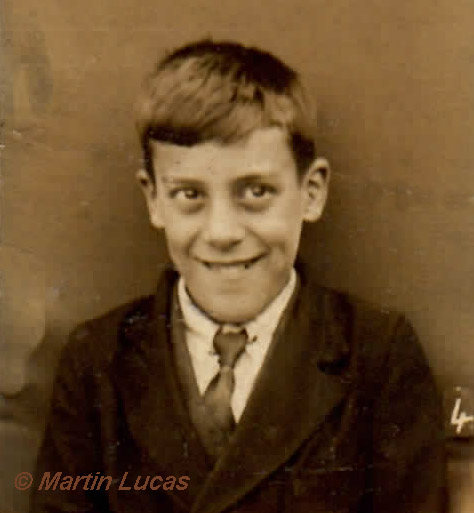
A young Eric Lucas.
The young Eric (the family always used his middle name) grew up in a close matriarchal family which was part of the congregation at the well-attended Salem Baptist Church on Longford Road, Coventry.
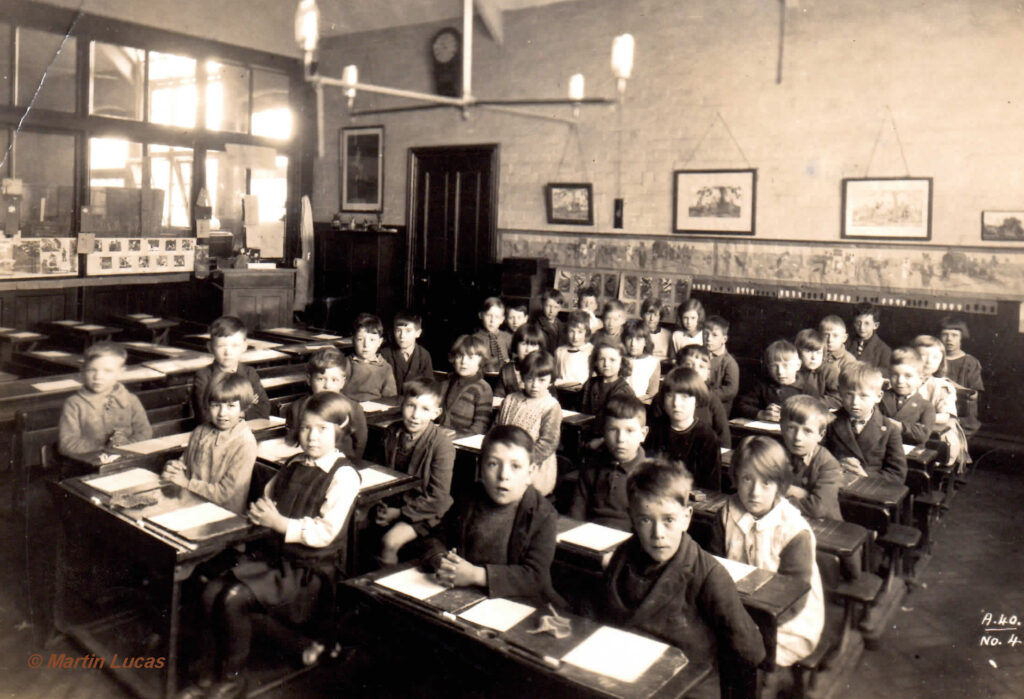
Lucas at the local Foxford School (far right of the front row).
Lucas attended the local Foxford School until the age of 14 years old, at which time he was signed onto an apprenticeship at the Standard Motor Company. On September 28th 1935, Lucas signed his Indentures, and commenced his apprenticeship which would last 6 years and 8 months.
Jensen Motors Production Manager | Life & Times Of Douglas ‘Eric’ Lucas | Wartime
Until about 1939, Lucas worked as an apprentice toolmaker for car engine production. However, a shadow factory was built during 1939 at Banner Lane, which was managed by Standard for the Air Ministry.
At this factory they built aero engines, including engines for the Mosquito fighter. Manufacture started in 1940, and Lucas was moved across to Banner Lane as an apprentice toolmaker on the aero engine side.
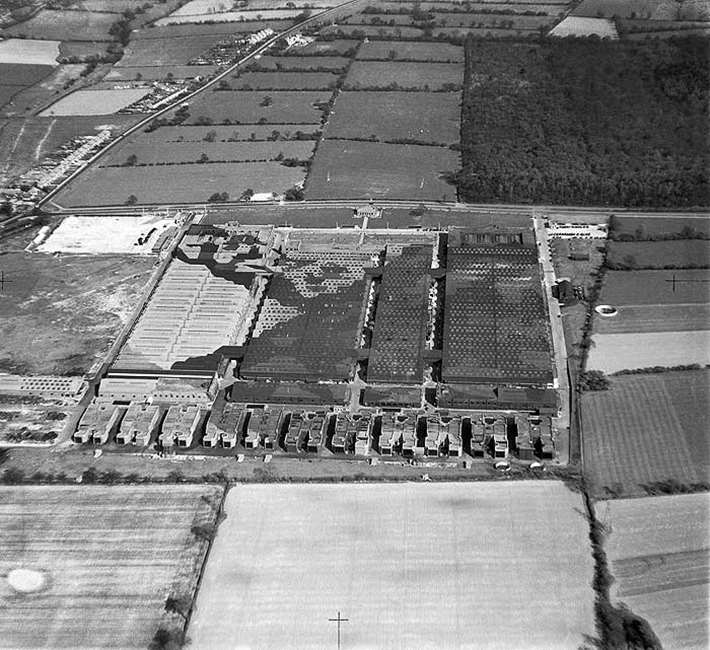
The Banner Lane Factory photographed in the 1940s. Note how the building roofs have been painted with camouflage.
In 1942, and having completed his apprenticeship, Lucas enlisted into the Royal Navy, serving as a trainee officer. Initial training took place at the Royal Nay’s new training establishment at Fareham, HMS Collingwood.
This was built as a New Entry Training Establishment for hostilities and was built in 1940 on 197 acres of farming land compulsorily purchased in 1939 for £7,290.
After initial training at HMS Collingwood, Lucas was moved to HMS Dolphin at Portsmouth, where training intensified.

Lucas photographed with other crew members at Portsmouth, whilst serving on HMS Dolphin. Lucas is standing in the back row, third in from right.
In May 1944, while undergoing the Davis Submerged Escape Apparatus training, there was an issue that eventually led to Lucas being discharged from service in the Royal Navy.
Lucas was accidentally kicked in the head by the man above him panicking in a training exercise, while they were emerging from a submerged conning tower in a water tank. This led to an on-going chronic infection of the middle ear without an intact tympanic membrane.
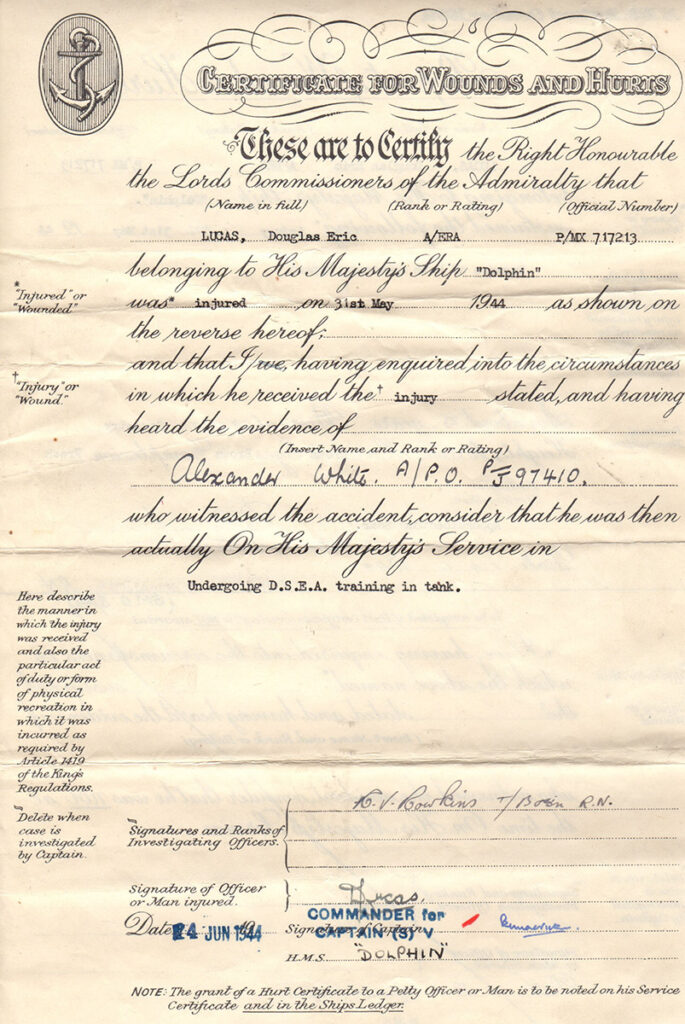
The Royal Navy Certificate For Wounds & Hurts. Lucas had issues while undertaking the basic D.S.E.A training (Davis Submerged Escape Apparatus training. The issue had led to Lucas ending up with a chronic ear infection.
After being discharged from the Royal Navy, Lucas returned to Coventry, and continued his employment with the Standard Motor Company. As with many of the larger factories, the Standard Motor Company had their own Home Guard unit, which Lucas joined. As the Second World War finally came to an end in 1945, Lucas was appointed as Tool-Room Foreman.
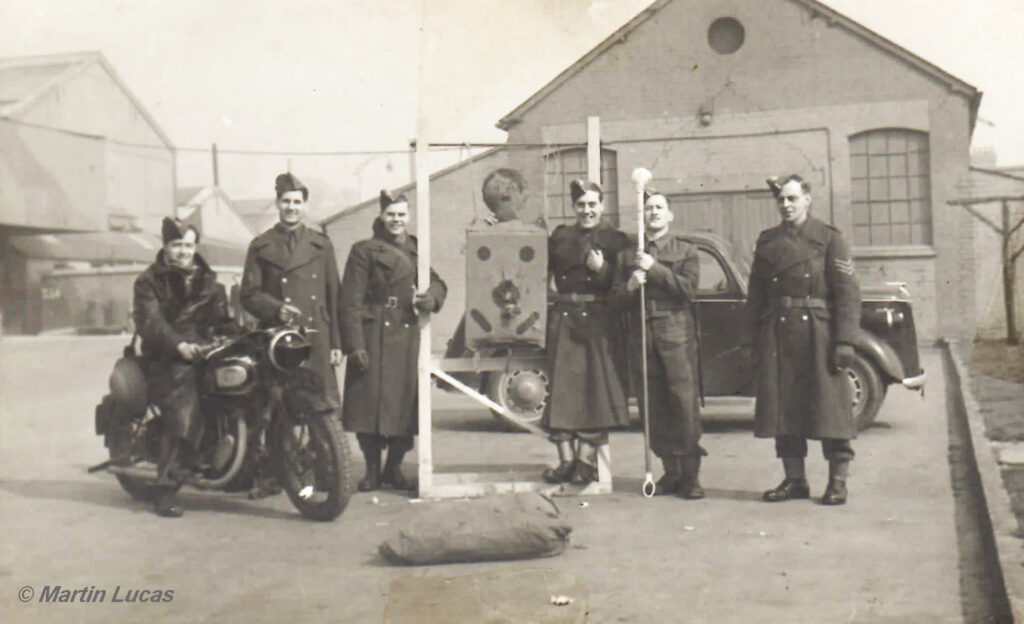
Lucas in his local Home Guard. Lucas is third from right, standing on the wooden frame. The buildings in the background are probably a part of the Standard Motor Company factory complex.
Jensen Motors Production Manager | Life & Times Of Douglas ‘Eric’ Lucas | Standard Motor Company
With promotion to Tool-Room Foreman came added responsibilities. These included overseeing the installation of additional toolmaking capacity at the Company, which was required for the production, under license, of Rolls Royce Avon Turbine engines.
The Rolls Royce Avon Turbine engine went on to become one of the most successful post-World War II engine designs, and was used in a wide variety of aircraft, both military and civilian, as well as for maritime power and in production processes.
In 1947, Lucas met Joyce Harrison, the daughter of the Rate-Fixing Manager at the Standard Motor Company. The couple enjoyed each other’s company, fell in love, and married in 1948. They had two children, Pam (born in 1948) and Martin (born in1951).
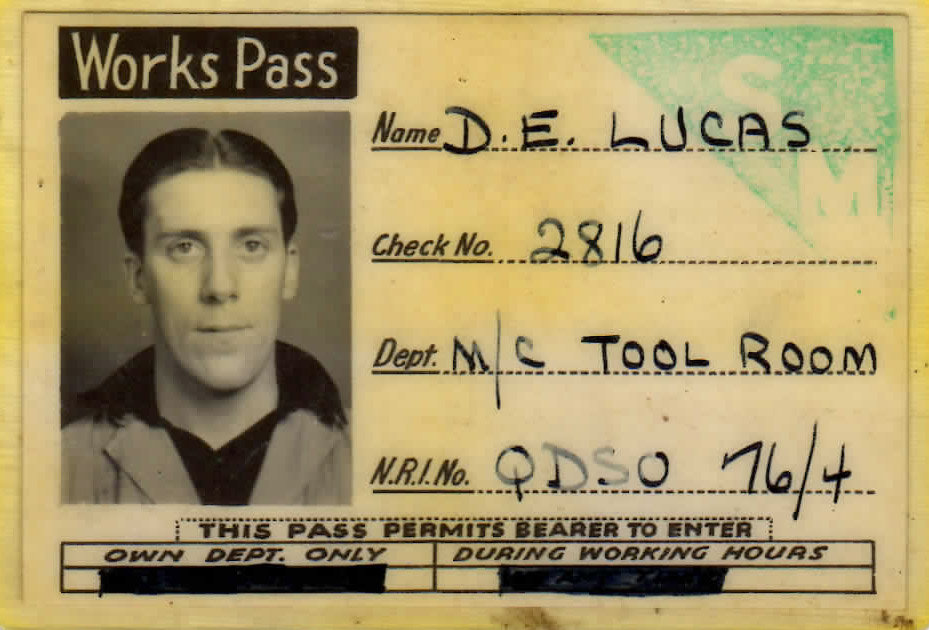
Works Pass for Eric Lucas
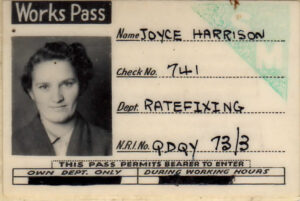
Works Pass for Joyce Harrison
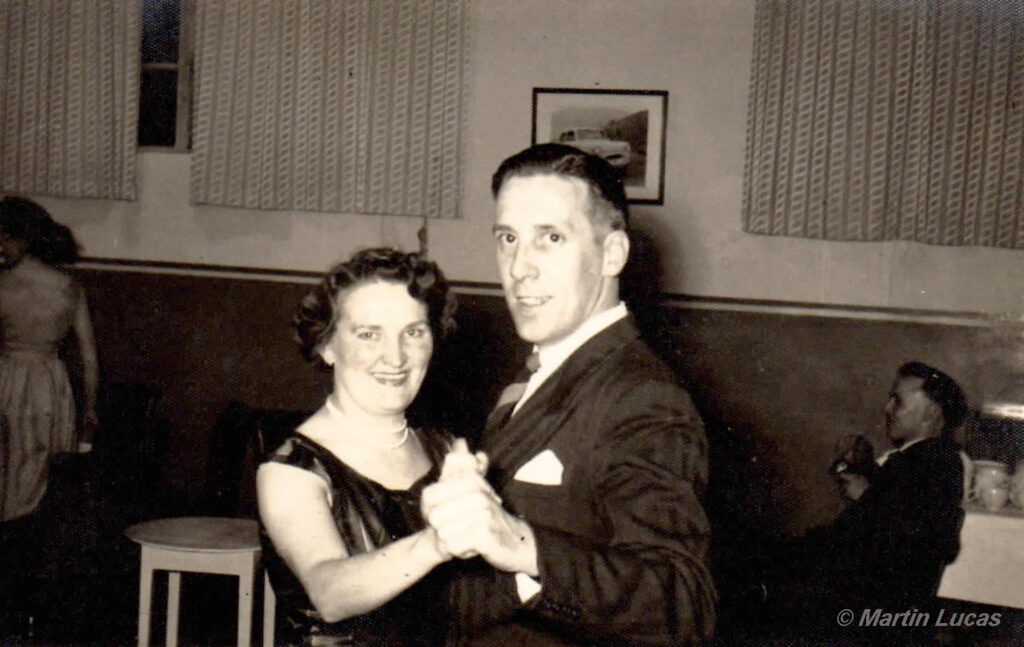
A Works dance held in 1947. The couple met in 1947, and were married the following year.
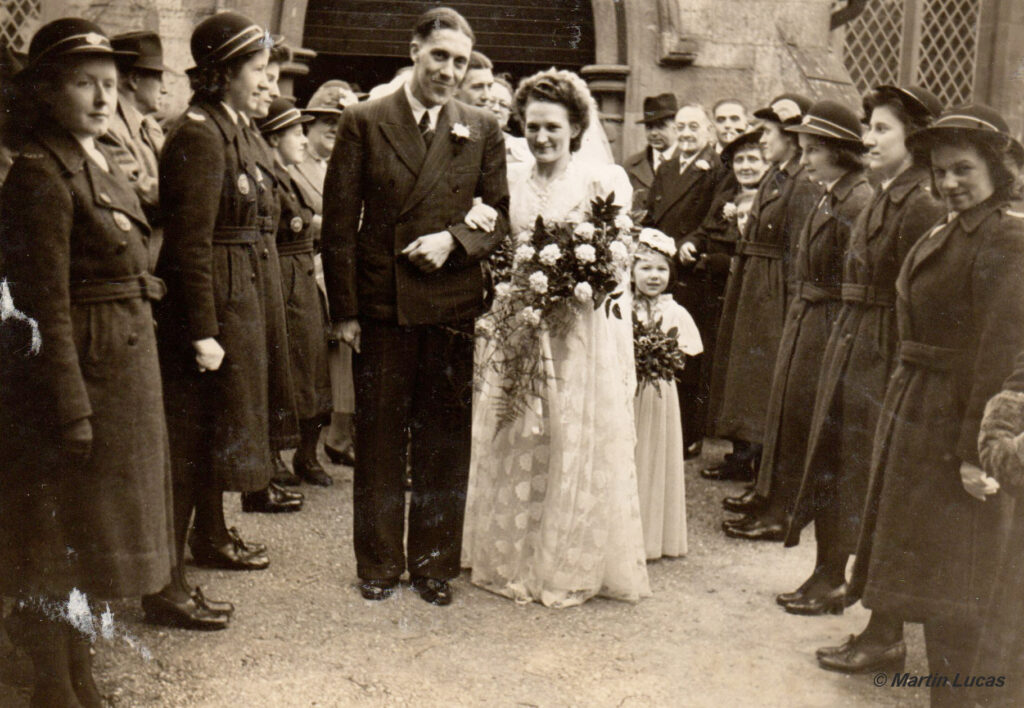
Wedding day.
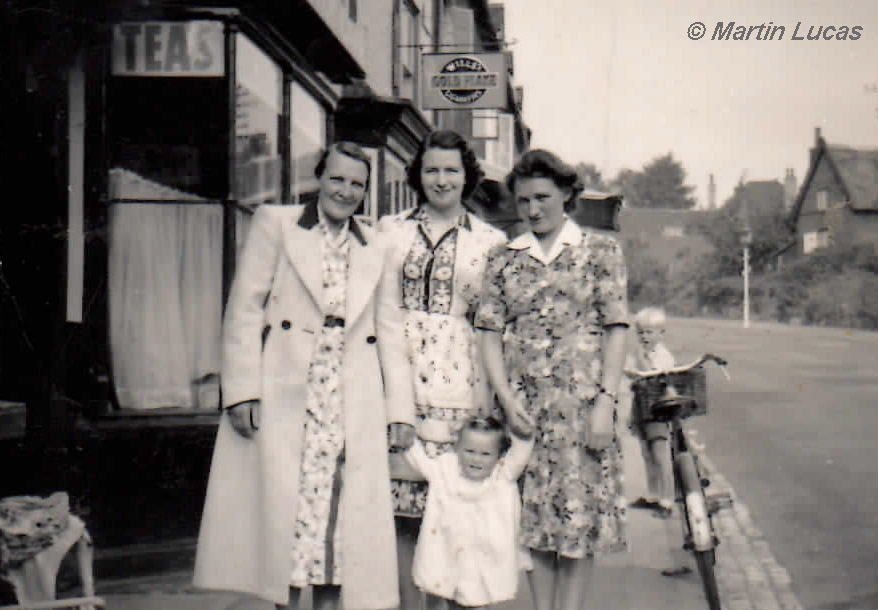
Left of photo, Joyce Lucas’ mother, a family friend to the centre, and Joyce Lucas to the right. The couple’s daughter, Pam, is lower centre. Photograph was taken in Coventry during 1950.
During the later 1940s and early 1950s, Lucas had played football to a reasonable amateur level for the Standard Motor Company. To which, he played both domestically and on tour in France and Belgium.
Lucas at one stage was the Captain of the Standard Motor Company Football Team, which had just won their league and two cup competitions (including the Coventry City Cup).
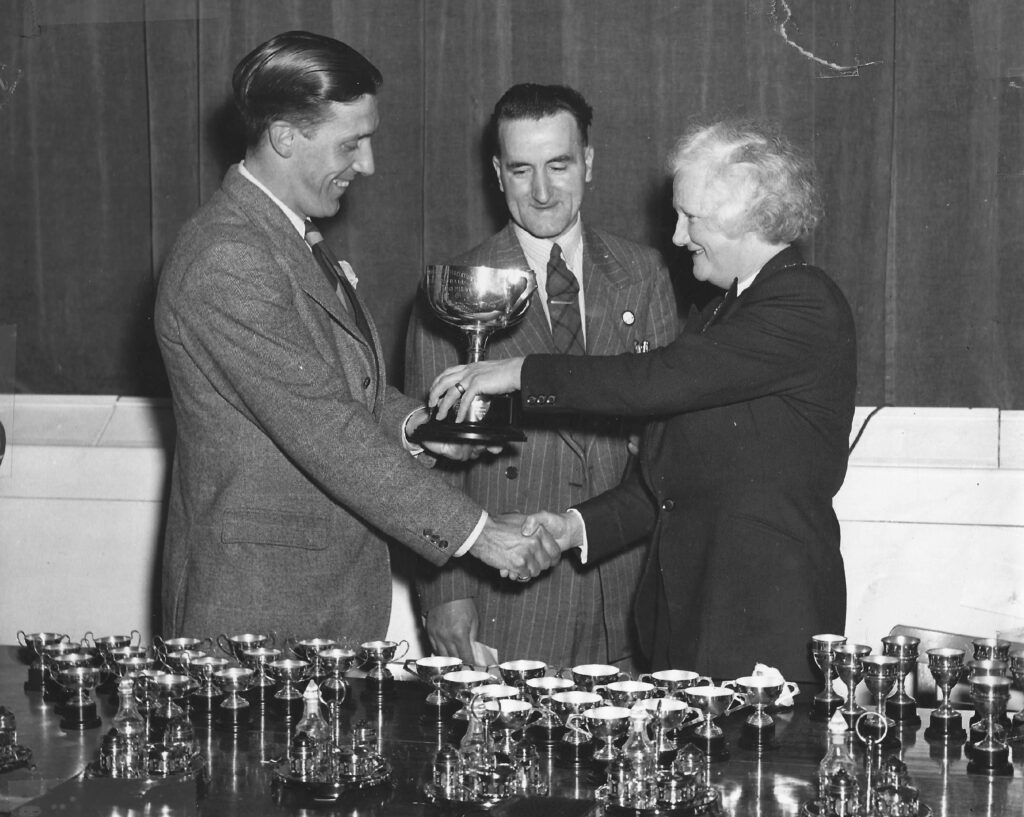
Team Captain, Lucas, is receiving a Cup from the Lady Mayoress of Coventry
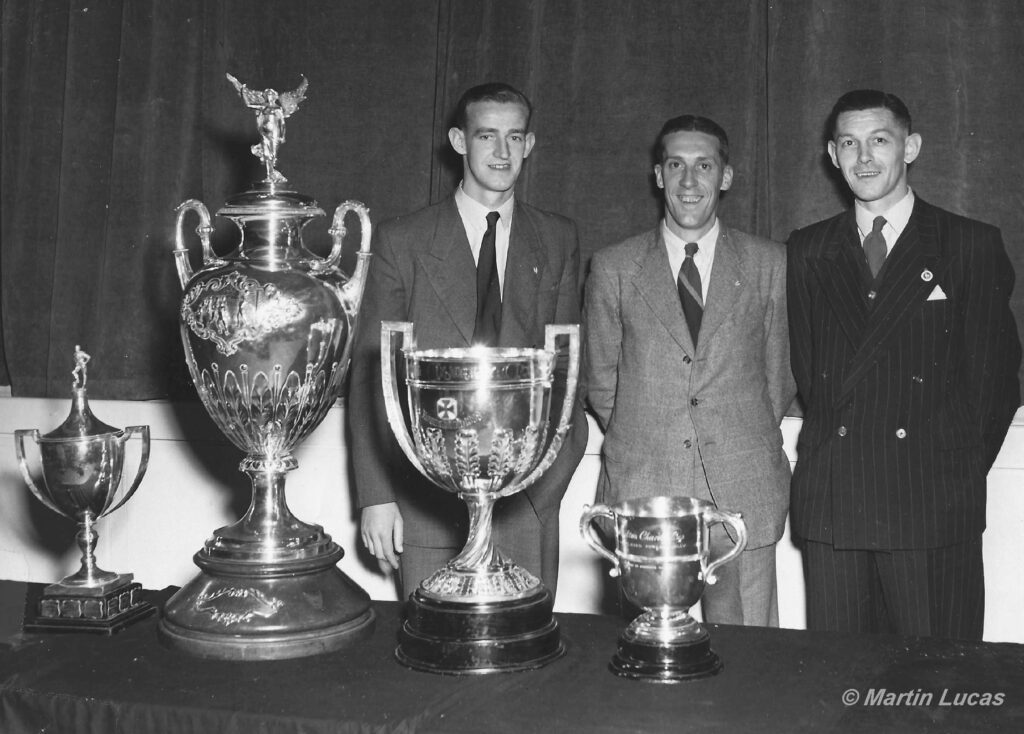
Lucas (centre) with fellow football team player, Fitzpatrick, and Team Manager, Parsons. The photo was taken at the Standard Motor Company pavilion in about 1949. Various football cups to the foreground.
The Standard Motor Company won many Midlands trophies before Lucas, and others, ‘hung up their boots’. Through the earlier 1950s, Lucas played an active part in the development of automation within the Standard Motor Company and, from 1957, was appointed Works Superintendent. The new promotion gave him responsibility for the entire operations of the Fletchamstead Factory in Coventry.
Jensen Motors Production Manager | Life & Times Of Douglas ‘Eric’ Lucas | Massey-Ferguson
When Massey Ferguson acquired, from the Standard Motor Company, the Standard factory on Banner Lane, Coventry, in 1959, Lucas was recruited and appointed Special Assistant to the Production Manager of the Massey Ferguson, Banner Lane factory and was also given overall responsibility for both the Massey Assembly and Machine Shops.
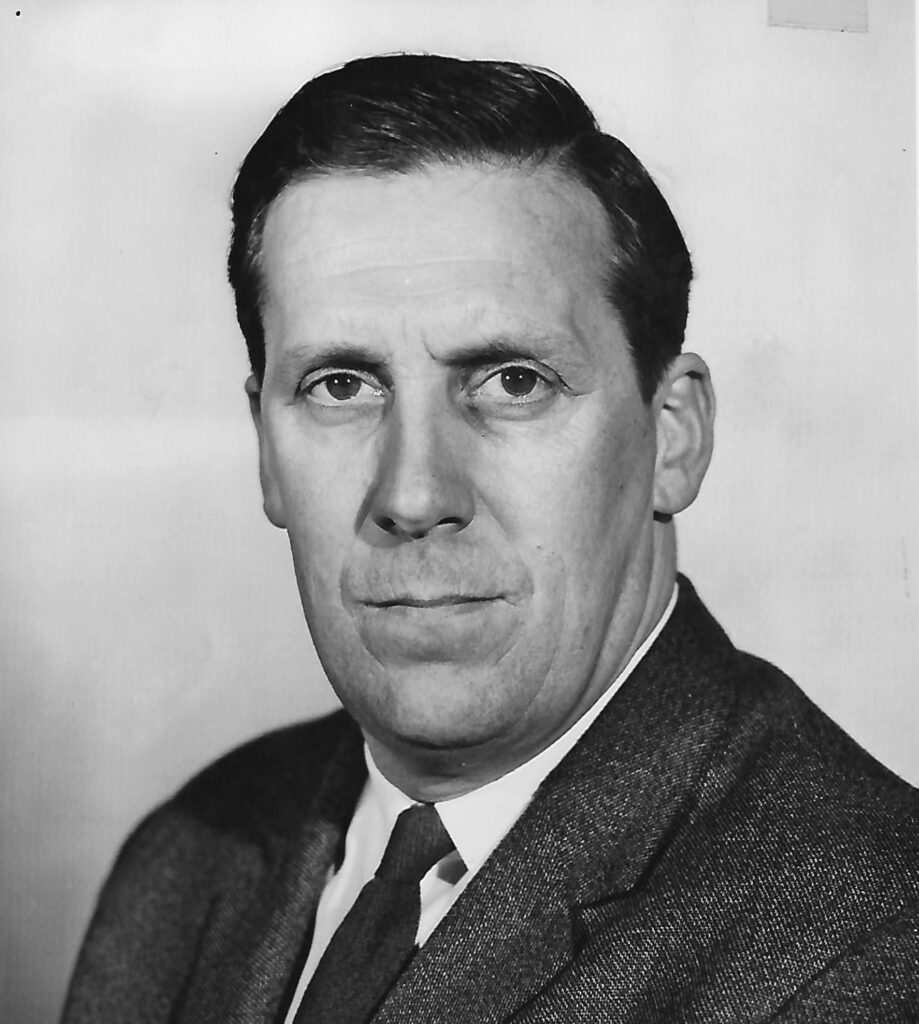
Lucas photographed shortly after joining Massey-Ferguson in 1959.
Then, after only two years, in 1961, Lucas was transferred to the Massey Ferguson site on Barton Dock Road, Manchester, and appointed General Factory Manager. Lucas would be reporting to Mr J.H. Taylor, the Manufacturing Director.
Shortly after Lucas’ move to Manchester, Taylor left the job and Lucas took over much of Taylor’s responsibilities. Lucas continued to work at Massey Ferguson through the late 1960s.
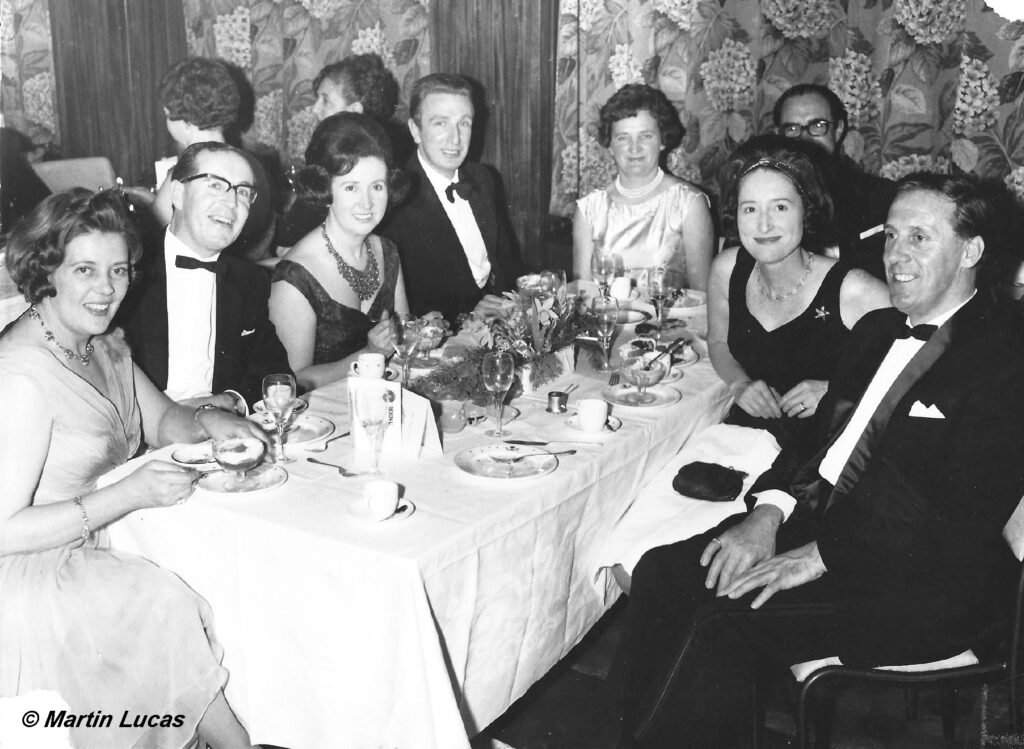
A dinner dance held by the Non-Ferrous Metal Alloy Foundries owned by Ken Paterson (second from left). Lucas is seated to the extreme right.
During his later years with Massey Ferguson, Lucas used to coordinate his leave with Ken Paterson, a friend and neighbour. Paterson was the owner of Park and Paterson Non-Ferrous Metal Alloy Foundries. By Lucas co-ordinating his leave at Massey Ferguson, meant that he could run the foundry business in Marple while Paterson was on holiday.
Lucas remained with Massey Ferguson as Project Manager until 1970. By this time there had been a general slow down in the agricultural markets, and this was having an effect on sales. This down turn in sales ended in some staff being laid off. Lucas was one of those that was made redundant.
Jensen Motors Production Manager | Life & Times Of Douglas ‘Eric’ Lucas | Jensen Motors
Lucas started applying for various positions, including to Jensen Motors. This was in response to an advertisement he had seen for the position of Production Manager.
The vacancy came about after Ron Ecceleston left to work for another company. Ecceleston held the position of Works Manager, but within that job title he was responsible for all manufacturing as well.
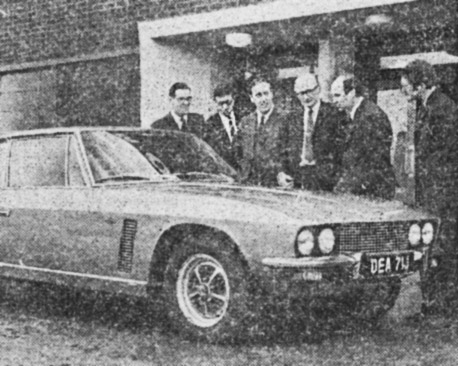
Article in the 17th February 1971 issue of the Birmingham Express & Star. The article outlines various new management members working at Jensen Motors. Left to right, M.J.Inston, Jensen-Healey Project Engineer, D.Large, Chief Production Engineer, D.E.Lucas, Head Of Manufacturing (although the title he received from Jensen was Production Manager), J.Wilson, Company Secretary, Andrew Bee, Chief Quality Engineer, and P.Archer, Assistant Administration Manager.
Jensen’s Managing Director, Alfred Vickers, interviewed Lucas, and the interview led to Lucas being given the job in December 1970. The roll of Lucas as Production Manager, was to oversee all production and manufacturing of both the Interceptor line, and also the new on-coming Jensen-Healey line. A hugely responsible job, but well within the capabilities of Lucas.
Lucas started work at Jensen Motors in January 1971. The change of employment, meant another change of location. Lucas and family moved from Wilmslow, and found a house in Sutton Coldfield, near Birmingham.
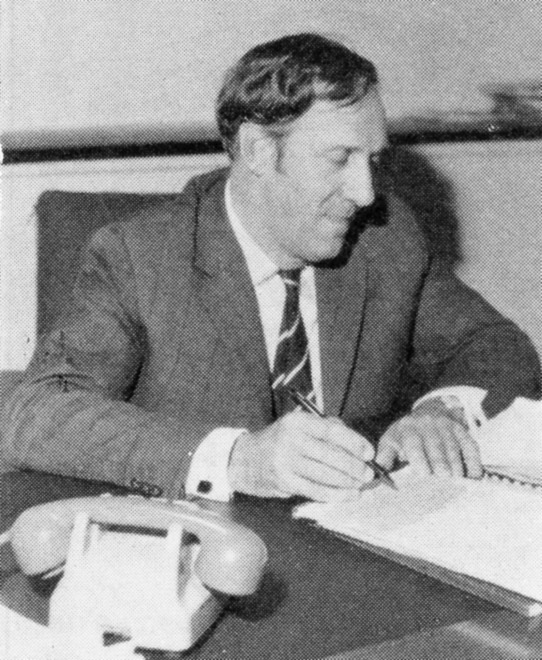
Eric Lucas photographed shortly after starting work at Jensen Motors.
Initial work undertaken by Lucas was to increase Interceptor production, and to implement the formation of the Jensen-Healey line, and to get that line operational. According to his son, Martin, it was also Lucas that put forward a report to the directors which led to cancelling further production of the Jensen FF.
Jensen Motors Production Manager | Life & Times Of Douglas ‘Eric’ Lucas | Early Promotion
Lucas was putting in long hours at Jensen Motors, and his much applauded initial changes increasing Interceptor production, and formalising the Healey line, hadn’t gone unnoticed.
A promotion from Production Manager to Works Director was given to Lucas in late 1971, early 1972. Lucas’ son, Martin, also believes his father was given the title Commercial Director as well as Works Director, however, the Jensen Motors Staff Ledger gives no indication of such a dual position.
Jensen Motors Production Manager | Life & Times Of Douglas ‘Eric’ Lucas | Trouble Brewing
Life for Lucas in his new roll as Works Director was going to be anything but easy. In particular, because of the disaster quickly unfolding surrounding the provision of engines, or one should say, lack of provision of engines, from Lotus for the Jensen-Healey.
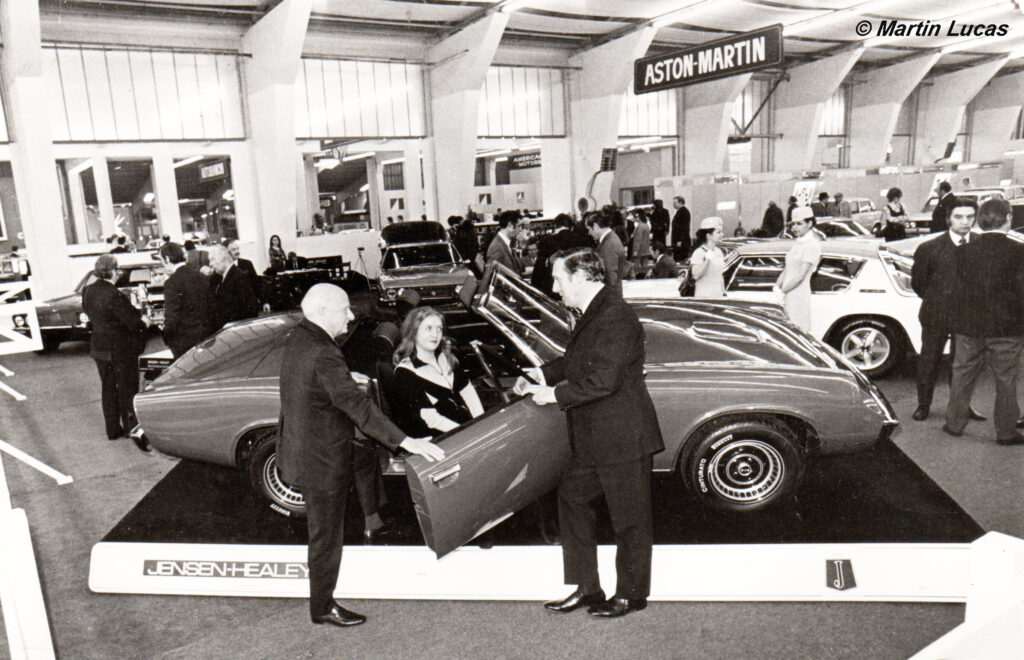
Lucas (viewers right) , with Donald Healey, on the Geneva Motor Show stand of 1972.
From the outset, a large proportion of Lucas’ working days would be involved with trying to manage the new Jensen-Healey line. In fact, in his new roll, Lucas had overall responsibility for the steady supply of engines from Lotus, to keep the Jensen-Healey line fed – or, one should say, the anything but steady supply of engines from Lotus.
Tony Marshall, former Sales Manager at Jensen Motors, gives us a perspective to the situation,
“Qvale had decided the opening build schedule for Jensen-Healey would be in the order of 120 – 150 cars per week, and so all the components coming in from outside manufacturers was based on those sorts of numbers. Meanwhile, Lotus was trickling engines through at something like 60 engines a week, and some weeks it was next to none.
The situation became so drastic, that the large old Tiger Workshop, which had been transformed into the Jensen-Healey line, was also being used to house the huge over supply of all other components for the Jensen-Healey. To put a stop to the continuous supply of components would have taken a few months, and Qvale didn’t want that. He wanted an adequate supply of engines, to complete the 120- 150 cars per week.”
The Jensen – Lotus engine saga involved Lucas in a large number of trips backwards and forwards to the Lotus factory in Norfolk. However, he wasn’t the only member of senior staff travelling to the Lotus factory, there were many other staff members making the trips to Norfolk.
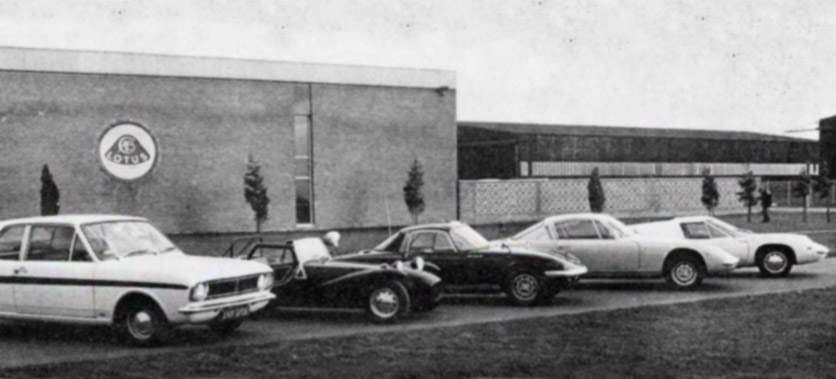
The Lotus Factory at Hethel, near Norwich in Norfolk.
Some of the other staff members included, Chief Designer, Mike Jones, Chief Quality Engineer, Andrew Bee, Project Engineer, Phillip Campion, the Sales Director, Richard Graves, and even the Managing Director, Alfred Vickers. In essence it was a constant movement of personnel from Jensen to Lotus, and back, everyone trying (but failing) to rectify the lack of engine supply from Lotus.
Most staff members, including Lucas, would go down for a days trip, leaving early from Birmingham, and returning late in the evening. However, so Jensen had someone based at Lotus, Project Manager, Philip Campion ended up staying down at the Lotus Factory for a few months.
Lucas’ son, Martin, remembers his father coming home on one occasion, somewhat shaken up. It transpired that Lucas had been aboard Lotus’ company plane flying back from Lotus’ Hethel factory to Birmingham.
As the plane was coming down to land, the pilot found the undercarriage inoperable, and had to crash land. Both the pilot, and Lucas were luckily un-injured, but Lucas was badly shaken by the experience.
In the background, Jensen Motors’ primary shareholder, Kjell Qvale, was becoming impatient. Although he had no one to blame other than himself for the poor deal he made with Lotus owner, Colin Chapman, he was demanding that the lack of engine supply was rectified immediately.
Unfortunately, being in charge of all production issues, it would be Lucas that would be held responsible for not quickly rectifying that issue. And it was Lucas that Qvale would hold accountable.
Believing that senior management, such as Lucas, were letting him down, may have led to Qvale head hunting Ron Eamonson. He was Head of Manufacturing at the York Trailer Co in Corby, and having heard on the ‘grape-vine’ that Eamonson might be approachable to another position, Qvale offered him a position at Jensen as General Works Manager.

Ron Eamonson
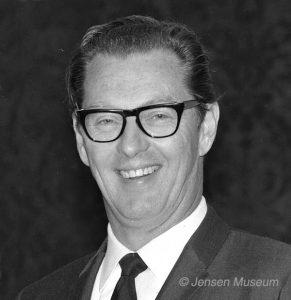
Kjell Qvale
Eamonson joined Jensen in October / November 1972. Within the staff hierarchy at Jensen, Lucas would be working closely with Eamonson.
For Lucas, it must have felt that Eamonson had been deliberately been brought in by Qvale to undermine his position.
The reality was, that was probably exactly what had happened, and was a part of the political manoeuvrings by Qvale.

Joyce Lucas standing by a works Interceptor at their house in Sutton Coldfield. Photograph taken in 1972.
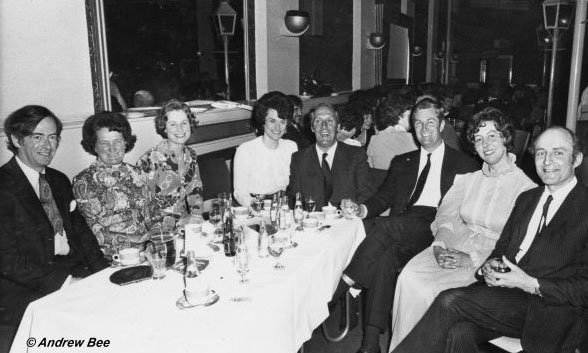
A Jensen Motors social dinner held in Birmingham circa 1972. Eric Lucas is sitting to the centre of the photograph, with Sales Director, Richard Graves to his right, and Graves’ wife to his left. Lucas’ wife, Joyce, is sitting next to Chief Engineer, Kevin Beattie (far left of the photograph).
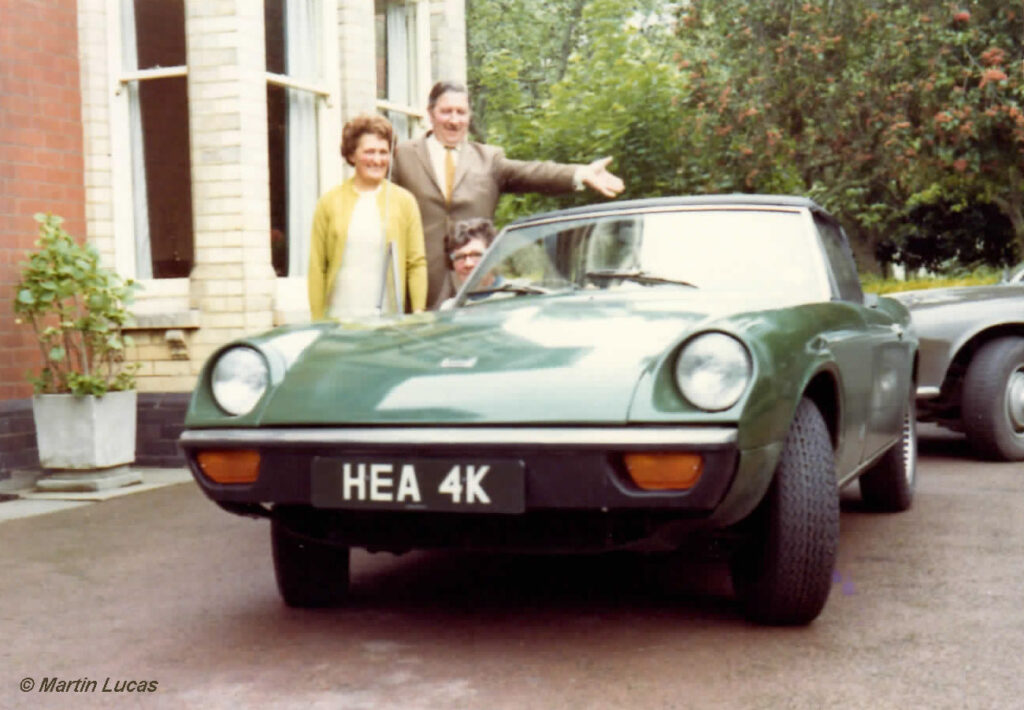
Another Jensen often used by various employees was one of the Works Jensen Healeys, HEA 4K. This photograph was taken by Lucas during 1973, not long before he resigned from Jensen Motors. The photograph was taken in Hucclecote, Gloucestershire, where the Lucas’ old friends, Ron and Liz Kelly lived. Joyce Lucas standing next to Ron Kelly. Liz Kelly sitting in the drivers seat. Lucas’ son, Martin, states that the Kellys were so impressed with the Jensen Healey, that Ron Kelly was thinking of buying one for his wife.
During 1973, It seems there were serious issues developing between Qvale and Lucas. On one occasion, Lucas’ son, Martin overheard a conversation between his father and mother, he was 19 at the time,
“My father had come home from work, and was not in the best of moods. I overheard a conversation between my father and my mother, where my father was outlining to my mother that someone had been opening his mail at Jensen Motors, before it came to his desk.
Although my father couldn’t understand why someone would be opening his mail, or who, he hinted that Qvale may have been behind it. The situation at work worsened from that time, and not long afterwards he resigned from his position at Jensen Motors.”
This was quite an extraordinary situation, and unfortunately there isn’t any further information regarding the suggestion that Lucas’ mail was intercepted at work, and opened, before it ended up on his desk.
Former Sales Manager, Tony Marshall, offers us a possible clue,
“There had been rumors that Chapman and senior staff at Lotus might be looking to poach a couple of senior employees from Jensen Motors. I don’t know from where the rumors started from, but obviously prime candidates for ‘poaching’ would have been those that had been down to Lotus on a frequent basis.
It could just be possible that Qvale thought Lotus might be looking to poach Lucas, and hence discreetly asked that any mail from Lotus to Lucas was checked before it landed on his desk. It is just a thought, but certainly something that I could imagine Qvale doing.”
Marshall’s thoughts are interesting, and certainly illustrate the politics that were taking over Jensen Motors under Qvale’s ownership. If letters had been opened, and if so, was Qvale behind any letter opening, will never be known.
But, more importantly, Qvale undoubtedly held Lucas responsible for the lack of Lotus engine supply, and because of that, Lucas’ days at Jensen were numbered. If letter opening had indeed taken place, was this a calculated method of making Lucas’ position at Jensen Motors seem untenable. If that was the rationale, then it worked – Lucas resigned his position at Jensen Motors on the 27th April 1973.
Jensen Motors Production Manager | Life & Times Of Douglas ‘Eric’ Lucas | Leaving Jensen Motors
Once again, Lucas was back to applying to various advertisements for vacancies. Luckily, later in 1973, he was asked to attend an interview at Butterfield Harvey, an office furniture manufacturer, which had factories in Charlton, London, and near Margate.
The interview went well, and he was given the position of Production Director. It was time to leave Sutton Coldfield and move to the south of England. A pleasant house was found at the small village of Bluebell Hill on the North Downs in Kent, half way between Chatham and Maidstone.
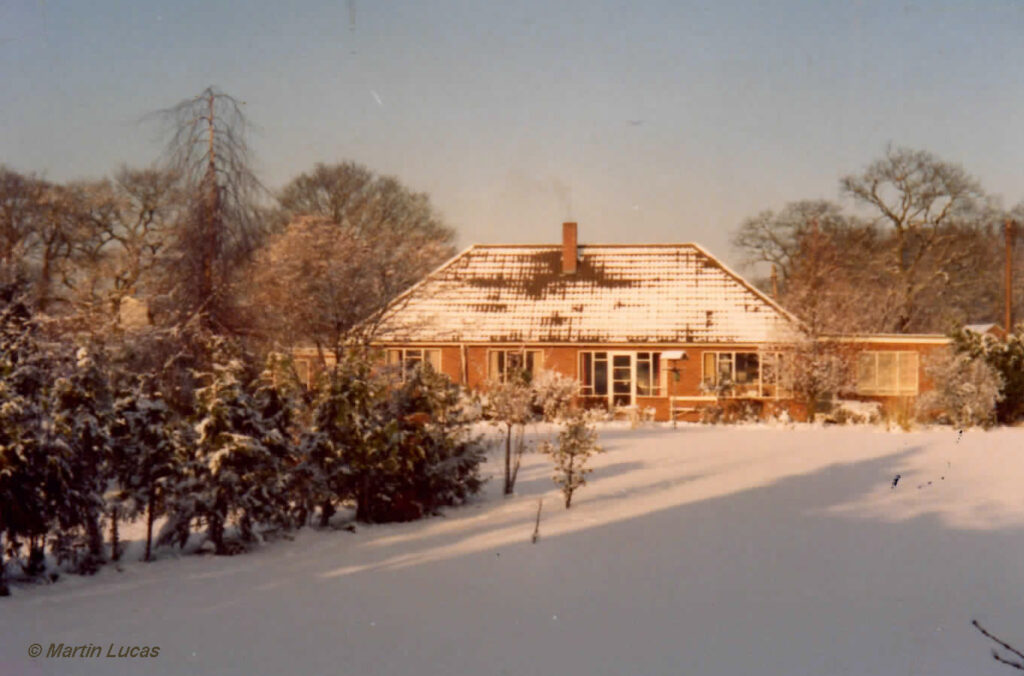
The Lucas’ new house in Kent
Jensen Motors Production Manager | Life & Times Of Douglas ‘Eric’ Lucas | Another Employment Move
Again, only two years later, Lucas left Harvey’s when he was recruited to The Industrial Society, based in its office on The Mall in London. During the following five years, Lucas established and held production and general management training courses, on behalf of The Industrial Society, for its client companies. The courses were held in the office on The Mall.
Jensen Motors Production Manager | Life & Times Of Douglas ‘Eric’ Lucas | Metal Box
In 1980, Lucas was contracted by the owners of Metal Box of Nigeria Limited to recruit a Managing Director to run its businesses in Lagoa and Ikeja. Lucas gave the owners a shortlist of candidates.
However, to Lucas’ surprise, after he had provided them with a short list of candidates, they asked if he would be willing to accept the position of Managing Director. After discussing the offer with his wife, Lucas agreed to become the Managing Director. Shortly afterwards, the Lucas’ moved to Nigeria.
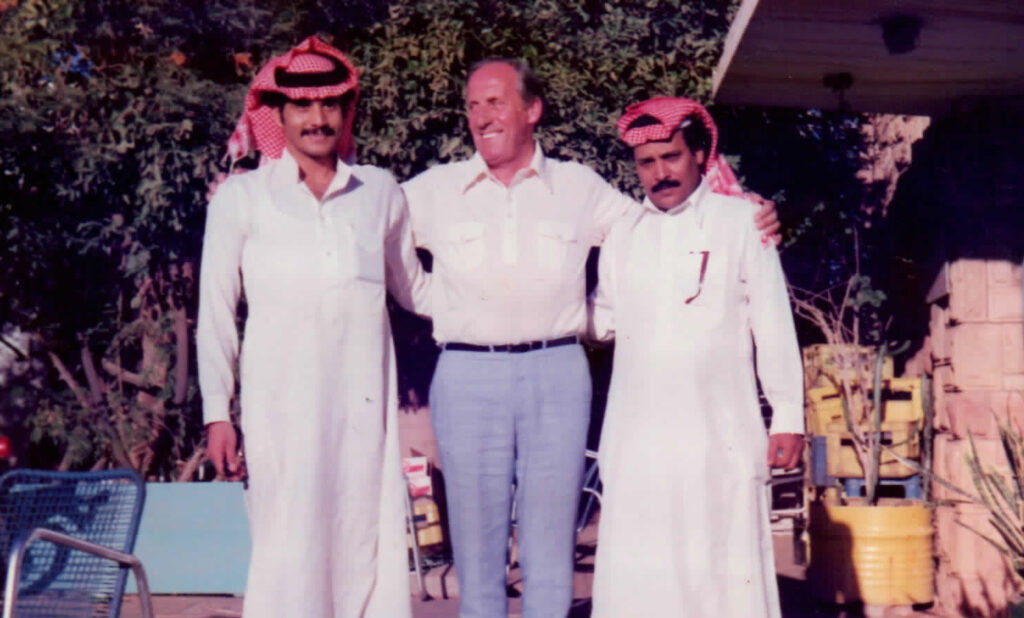
Lucas centre along with two senior employees from Metal Box. Photograph circa 1995.
Lucas retained that position for a period of two years and then returned to Bluebell Hill. Once back in Great Britain, the couple decided to move back to Sutton Coldfield, where Lucas continued to act as a consultant for Metal Box for a further three years.
Jensen Motors Production Manager | Life & Times Of Douglas ‘Eric’ Lucas | Retirement
In 1985, Lucas had completed his three years as consultant for Metal Box, and settled down to a life of retirement. Eric Lucas died on the 22nd July 2006 at the age of 85. His wife, Joyce, died on 8th October 2014
Jensen Motors Production Manager | Life & Times Of Douglas ‘Eric’ Lucas
ACKNOWLEDGEMENTS: Martin Lucas | Pam Lucas | Philip Campion, former Project Engineer, Jensen Motors | Mike Jones, former Chief Designer, Chief Engineer, Jensen Motors | Tony Marshall, former Sales Manager, Jensen Motors
COPYRIGHTS: Jensen Museum | Martin Lucas | Pam Lucas
ADDITIONAL INFORMATION: If you have any additional information about this feature, please contact us at archive@jensenmuseum.org or telephone on: +1694-781354
We hope you have enjoyed this feature.
If you would like notification of when new features are added to the Museum website, then why not subscribe.
It’s free, and takes just a couple of minutes. Simply press the Subscribe to our mailing list link below.